Our Amurath Purebred Arabian Stud Farm

Country, Life & People
Amurath Stud is idyllically situated in the foothills of the Allgäu Alps, in the municipality of Amtzell. The region, with its climate and extensive meadows, offers ideal conditions for breeding purebred Arabian horses. Here, horses are part of daily life – loved and cared for around the clock. For Gabriele and Bernd Zimmermann, the stud has been the centre of their lives since 1992, and for their daughter Lena ever since she was born.
Passion, Breeding & Selection
From the founding days of the early 1990s to the present, Amurath Stud has been run with the aim of breeding beautiful, athletic and rideable purebred Arabians. With a consistent focus on line breeding and careful selection, a stud farm has emerged in Amtzell over the past three decades that now competes internationally.
What began with an encounter with the Marbach M-line mare MAGDA led to a modern breeding concept that is implemented daily at Amurath Stud with passion, experience and hard work. A willingness to take a critical look at one’s own breeding results. A deep joy in the further development of proven mare lines. And, of course, the proverbial touch of breeder’s luck. It is, and remains, a long road with ever new challenges.
Team Amurath

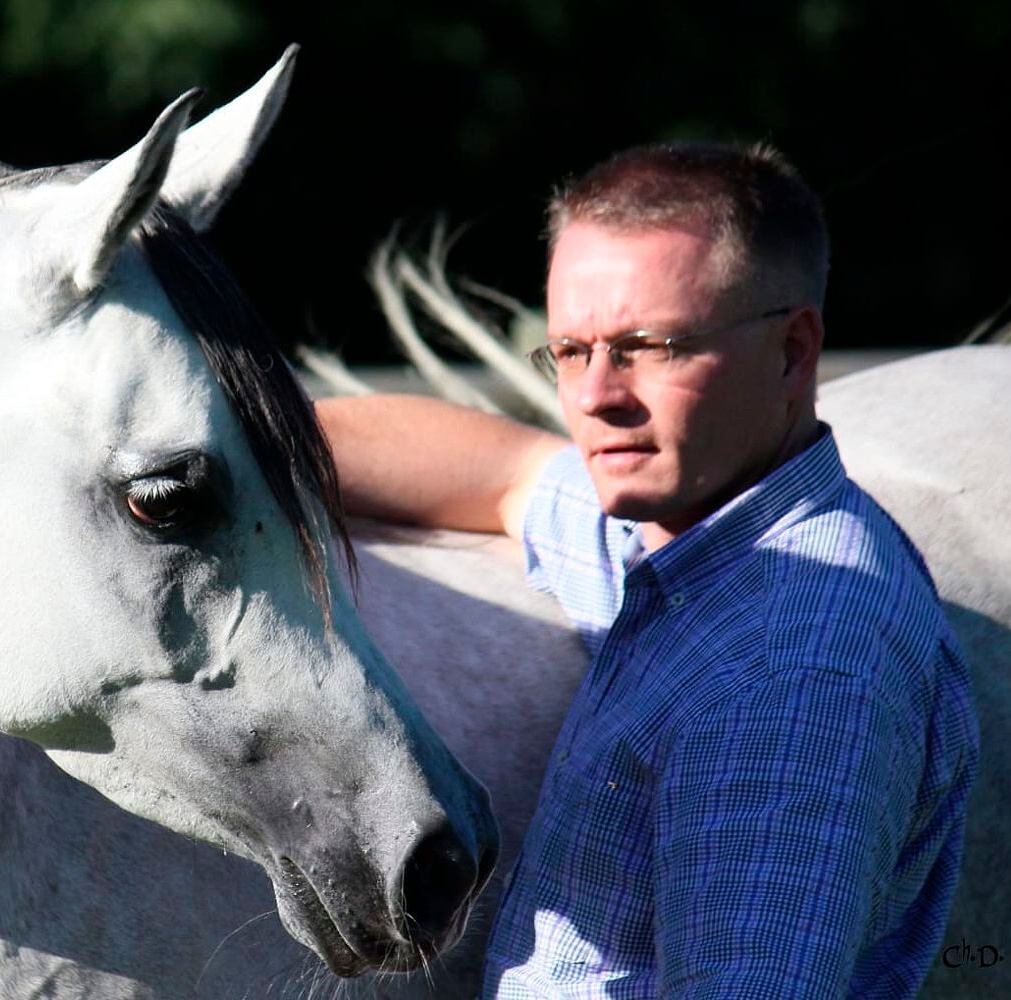
Bernd Zimmermann
Bernd lives and breathes breeding. He developed a passion for purebred Arabians at an early age and laid the foundations for the stud with the mare Mahara. Today he can look back on over 30 years of experience with horses. His main responsibilities include mare reproduction and assisting with foalings, where he keeps a cool head and stays in control, even in critical moments
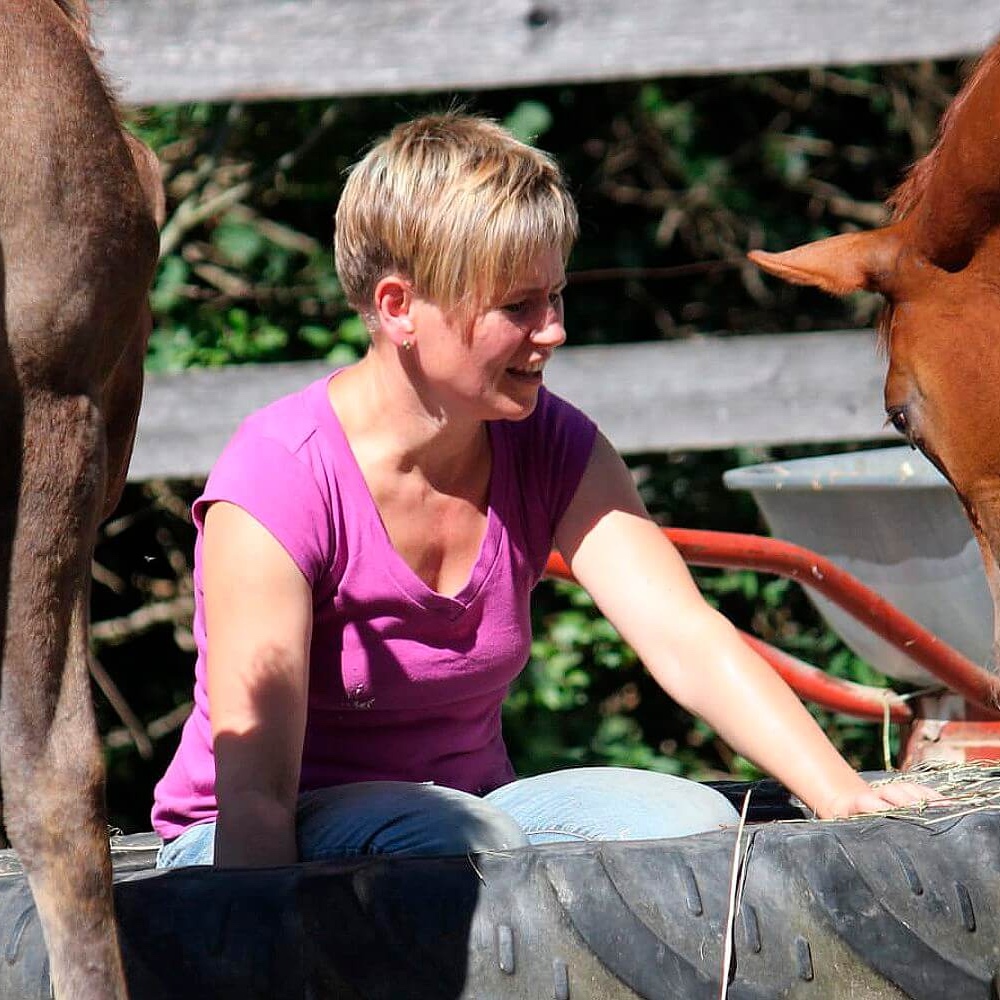
Gabriele Zimmermann
As the owner and driving force behind the stud, Gabi is involved in every area. The broodmares are especially close to her heart, and she cares for them with great dedication. She knows every mare and all her little quirks, and she takes care of each one’s well-being with great sensitivity. Whether feeding, grooming or health care – Gabi ensures that her horses want for nothing.
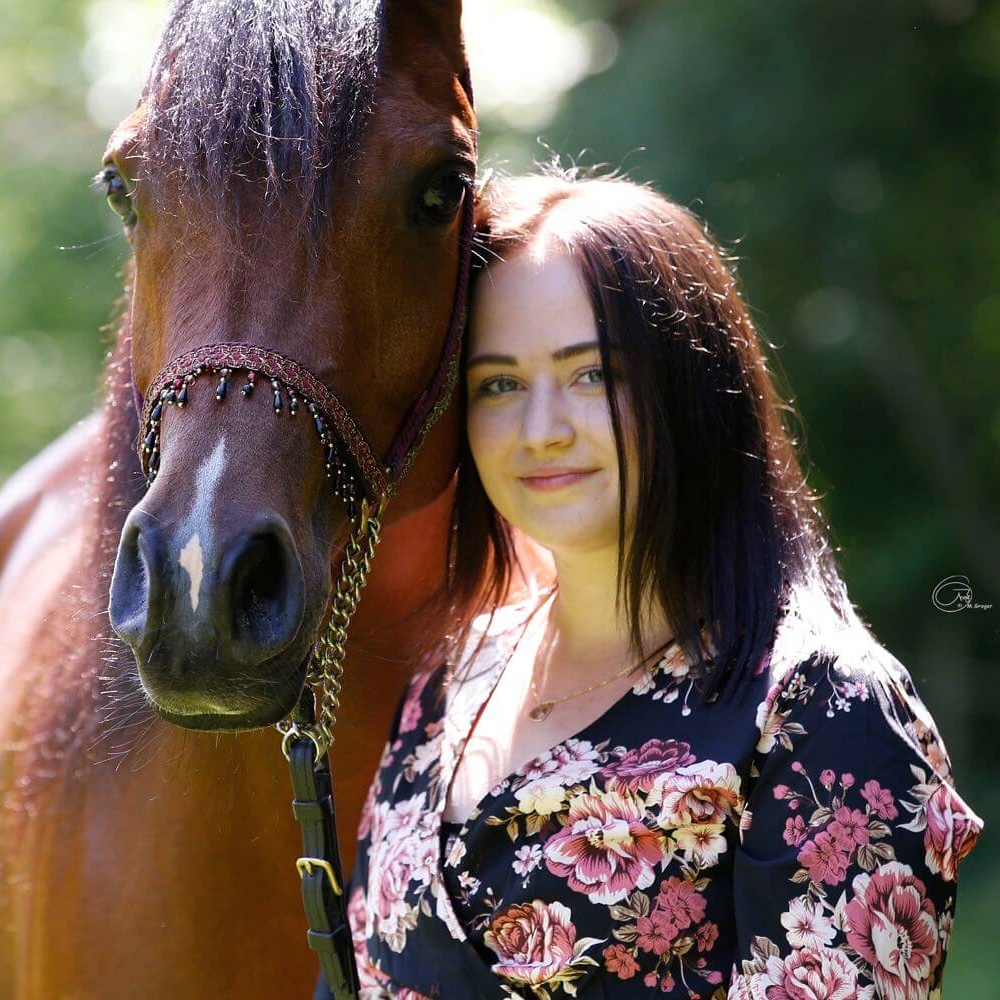
Lena Zimmermann
Lena is now very busy with her work as a hotel manager, but whenever she’s needed, she’s there to help. She not only has plenty of experience and a good eye for horses, but is also highly reliable. She is always willing to help prepare for shows and is simply indispensable to the stud.
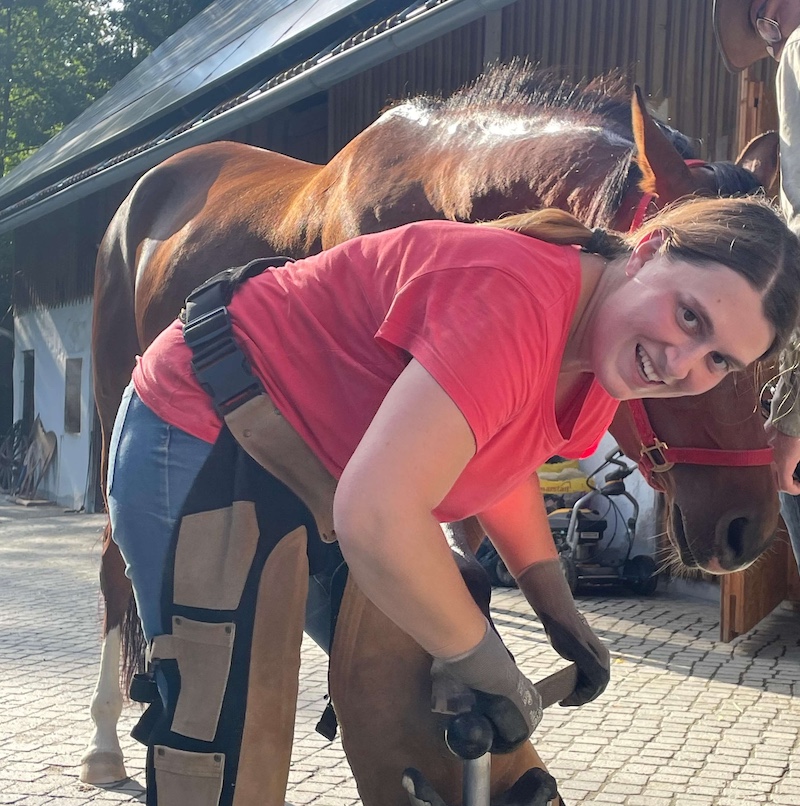
Virginia Kneißl
Virginia joined the Amurath team at the end of 2024. With her studies in equine science from Vienna and her training as a hoof trimmer, artificial insemination technician and equine-assisted therapist, she brings valuable expertise. She looks after the horses with calm and level-headedness and is always on hand when needed.
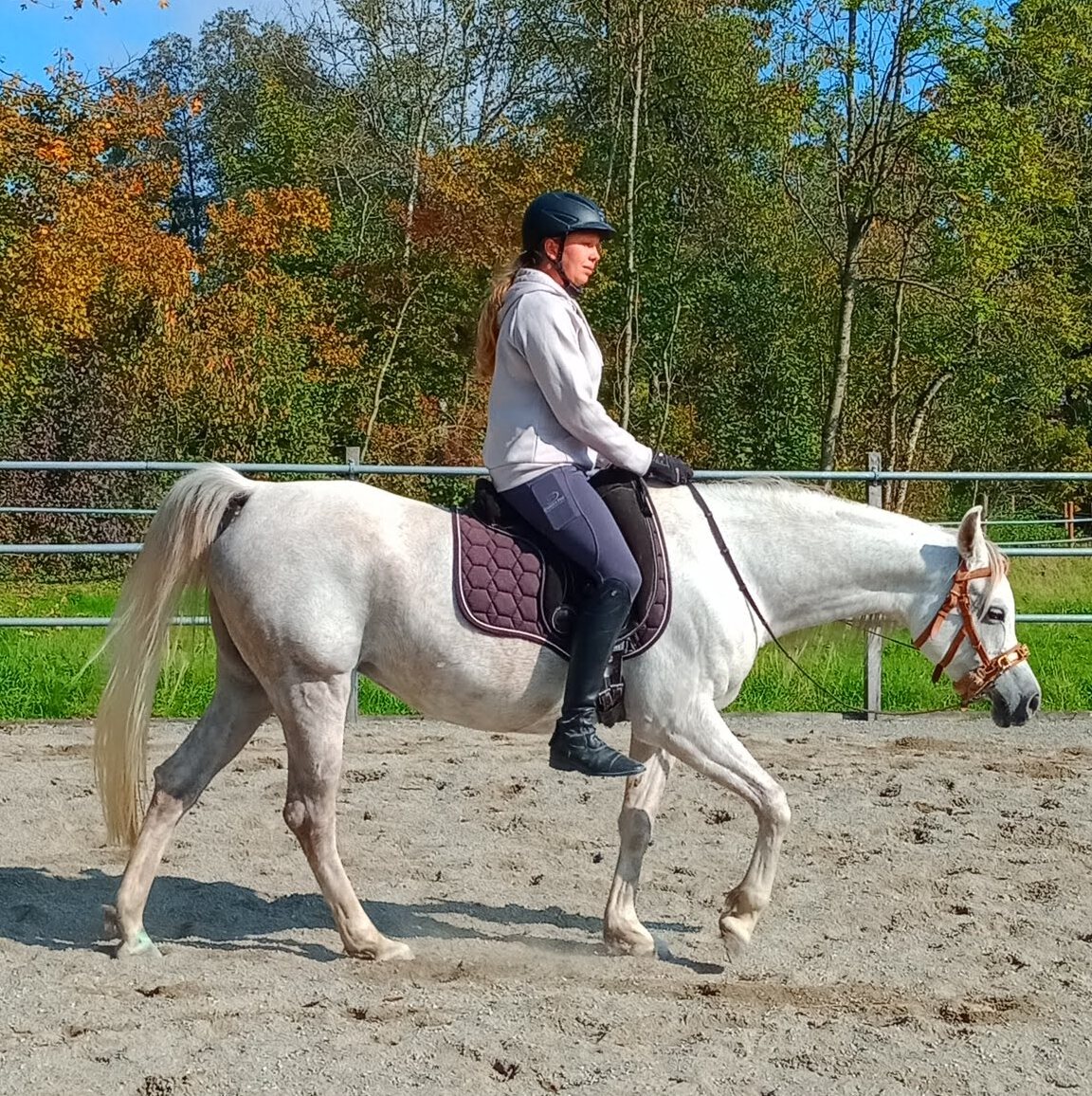
Katharina Plum
Katharina brings valuable horse-training experience to the Amurath team. She is primarily responsible for starting young horses under saddle and for training the horses we offer for sale. With plenty of feel, patience and an intuitive understanding of each horse, she provides a solid foundation for their training. Kathi is known for her calm, clear manner and brings the horses on with both clarity and heart.

Otto Walser
Otto has been an integral part of our stud farm for over 20 years. For many years, he supported us with the stable work, handled practical tasks around horse care and accompanied us to shows. Otto is now stepping back a little, but he remains indispensable for special tasks such as building and repairing pasture fencing, forestry work and woodwork.

Karl Mähr
Whether out on the pastures or in the forest, Karl helps wherever he is needed. As an experienced farmer, he is familiar with agricultural and forestry work and is always there when needed. With his reliable, helpful nature, Karl is a real rock. Even when there is plenty to do, nothing unsettles him.
The Foundation Mare Mahara
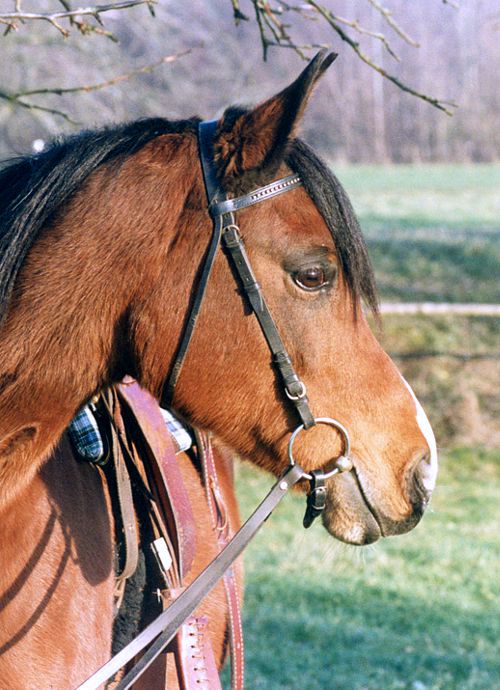
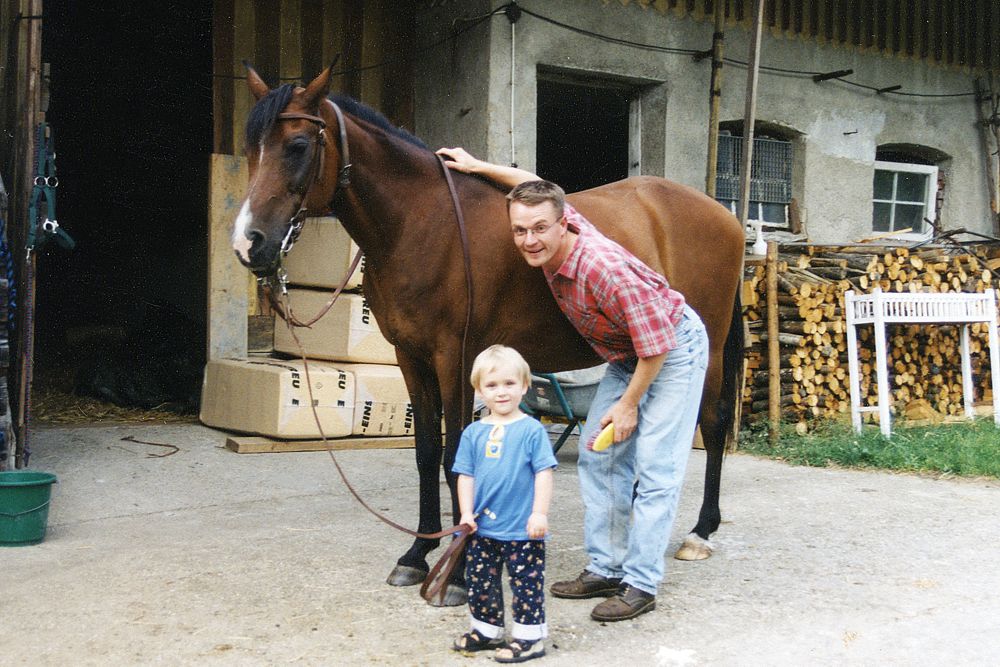
When Bernd Zimmermann acquired his first purebred Arabian mare, he had already been fascinated by Arabian horses for many years. The choice fell on the GHARIB daughter MAHARA, out of MAGDA by HADBAN ENZAHI. In the early 1990s, nobody could have guessed that buying this riding horse for his future wife Gabriele would mark the arrival of what would later become the stud’s foundation mare.
In 1997 and 1998, the mares DAGI (Hadban Enzahi x Hamdi by Halef) and SAMIA II (Saher x Senitza by Hadban Enzahi) joined the stud. Several generations were born from these foundation mares, but these lines did not establish themselves permanently at the stud.
In 2008, Amurath Stud took over eight mares from Waldhof Stud. The best mares from this group were used for breeding, though this proved difficult in some cases. Unfortunately, due to the mares’ poor overall condition, this group could not contribute to the further development of our breeding programme.
In the mid-2000s, various mares and fillies from Polish–Egyptian and Spanish–Egyptian lines were also purchased or leased, but with one exception they did not remain at the stud long term.
A decisive step in the development of our breeding programme came in 2017 and 2020 with the acquisition of six mares from Brazilian breeding, predominantly of Polish–Egyptian ancestry. These bloodlines, combined with the traditional M line, now characterise the stud’s current mare population.
Bernd Zimmermann's Breeding Goal
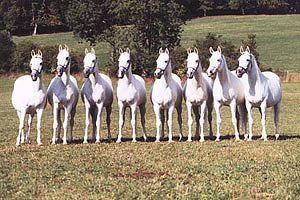
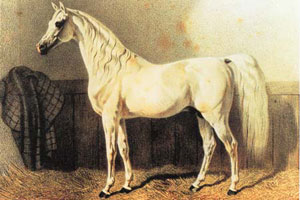
When I was five or six years old, I was taken to the stallion parade in Marbach with my parents – an experience that stayed with me. Even as a child, I was fascinated by horses. The stallion HADBAN ENZAHI, already showing his age at the time, remains the most impressive horse I have ever encountered.
Later, I had the opportunity to attend the stallion performance test in Marbach with my friend Pirmin’s father. As an experienced warmblood breeder with a passion for Thoroughbreds, he showed me the well-known stallion GHARIB. In our region, purebred Arabians enjoyed an excellent reputation at the time, both in straight breeding and as sires in warmblood programmes.
The purchase of our first mare MAHARA in 1991 brought us into contact with private breeders of the Weil–Marbach bloodlines and strengthened our desire to breed purebred Arabians. With their good character and versatility, these horses make ideal family and leisure horses. Their large, soulful eyes, calm nature and elastic movement can no longer be taken for granted these days.
Nevertheless, breeding must move with the times. Progress is important, without losing the quality of the proven mare lines. That is why we focus on introducing suitable bloodlines to bring the best genetics into our herd. Breeding has become increasingly international – a development with both advantages and disadvantages. Our proven and reliable mare lines in particular can demonstrate their strengths when combined with modern bloodlines.
We look forward to introducing you to our horses during a personal visit!!
Foal Rearing & Training

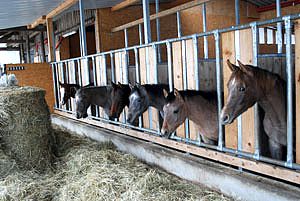
Foal Rearing
The training of our horses begins from the foal stage with simple yet essential basics: touching, grooming, picking up their feet, leading, tying up and hoof trimming.
After weaning, our foals go to the experienced rearing programme at Marbach State Stud. There they grow up in the safety of the herd and benefit from large loose housing with year-round access to pasture. During their first two to three years, they receive the ideal foundation for their later development as riding, show and breeding horses.
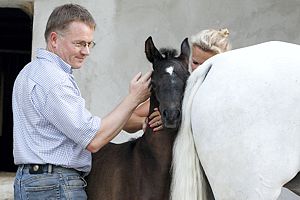
Young Horse Training
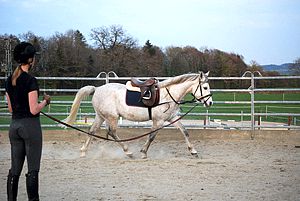
At two to three years of age, we bring every young horse with breeding potential into short-term training to assess its suitability as a show horse. Not every beautiful horse naturally enjoys presenting itself in the show ring. In this way, we discover their individual talents and bring on the youngsters with the right aptitude. We train most of our young horses for breeding shows and present them at VZAP premium shows, stallion shows and ECAHO C-shows.
From three and a half to four years of age, we begin gentle basic training: the programme starts with introducing them to saddle and bridle, alongside groundwork, lunging and show training. After this phase, the horse is given several months of turnout on pasture. Mares that are to prove themselves as broodmares are covered during this time. This rest period supports their mental well-being and promotes the young horses’ long-term soundness and performance.


